How Much Does Interior Design Cost in the US
Interior design in the US typically costs $2,000 to $15,000 per project in design fees, with furniture and materials billed on top. Hourly rates mostly run $100 to $300, percentage fees 10% to 30% of the budget, and square-foot pricing $5 to $15. A single online-designed room can stay under $1,000 in fees, while a full-service whole home often passes $30,000.
- Topic
- Interior design
- Updated
- Reading time
- 12 min
- Studio
- Morales Arch & Design
In this article
- Interior design cost at a glance
- How interior designers charge
- Interior design cost by room and for a whole home
- Cost by level of service
- What the fee includes and what costs extra
- What affects interior design prices
- Comparing quotes and reading the contract
- How to lower the cost of an interior designer
- Is an interior designer worth the money
- Interior design cost questions
Interior design cost at a glance
The design fee and the total bill are two different numbers, and most surprises come from mixing them up. The fee pays for the designer's time and knowledge. Furniture, finishes, freight and contractors sit in a separate budget that is usually larger. The figures below are US prices for 2025 and 2026 unless another year is given.
| How the fee is set | Typical US price | Wider range seen |
|---|---|---|
| Design fee per project | $2,000-$15,000 | From about $500 to $100,000+ |
| Hourly | $100-$300 | $50-$500, luxury names above $500 |
| Flat fee per room | $4,000-$10,000+ | $450 for design only, $20,000+ for full service |
| Flat fee, whole home with project management | $25,000-$100,000+ | Large flat-fee projects from $10,000 |
| Percentage of budget | 10%-30% | 15%-25% is the common middle |
| Per square foot | $5-$15 | $4-$20+ |
| Initial consultation | $150-$500 | Free with some designers |
National averages vary a lot because they count different kinds of work. One large marketplace put the average project at $1,103 in June 2025, with most between $494 and $2,460, but that pool mixes decorators and home stagers with designers. Averages limited to proper design projects land near $5,500 to $6,500. For planning purposes the higher pair is the safer guide.
How interior designers charge
Four fee models dominate in the United States: hourly, flat, percentage and cost-plus. Most studios combine at least two of them, so read the proposal closely before comparing it with another.
Hourly rate
Expect $100 to $200 an hour for most independent designers. Seven freelancers surveyed in major US cities averaged $182. Marketplace listings start lower, at $60 to $125, and well-known designers in large cities bill $250 to $500 or more. The rate looks steep beside a salary because it also has to cover taxes, software, travel, assistants and benefits.
Hourly billing fits a one-off consultation, a single room, or a job whose scope is still unclear. A five-hour session at $75 to $200 comes to $375 to $1,000. The weak point is the open total, since calls and emails run on the clock too. Ask for a detailed estimate of hours and agree in advance what happens when they are used up.
Flat fee
Small flat-fee jobs run $1,500 to $5,000, and a two-bedroom apartment about $4,000 to $7,000. At the traditional end, designers quote $4,000 to $10,000 or more per room. You know the cost early, but an under-scoped job leads to change orders, and endless mood board revisions eat the designer's margin. Fix the number of revisions before signing.
Percentage of the project budget
This model is common on large renovations and new builds; some designers move to it once the budget passes $100,000. At 10% to 30%, a $60,000 renovation carries a $6,000 to $18,000 fee and a $100,000 one $10,000 to $30,000. Check whether the base is construction, furnishings or both. There may be no upfront fee, yet the designer earns more when you spend more.
Per square foot
Square-foot pricing is used mostly in commercial and hospitality work, with some residential studios quoting it as well. It is quick to calculate. It also ignores how complex a room is and can be poor value for a small space.
Cost-plus and trade markup
The designer buys at trade price and adds 10% to 35%, with about 20% a frequent figure. Trade discounts range from 20% to 60% depending on the brand. Some designers charge retail and keep the difference; others pass the discount on and let you place the orders yourself. The markup looks modest on one lamp and adds up across a house, so ask for a receipt on every purchase.
Hybrid fees, retainers and day rates
A hybrid fee is often flat for concept and space planning, then hourly for sourcing and installation. A retainer is paid upfront, covers a set number of hours and is adjusted in the final bill, though it can be non-refundable. Day rates of $600 to $1,200 exist but are rare, on projects lasting 14 to 30 days.
Interior design cost by room and for a whole home
A general rule for 2025 is $2,000 to $12,000 per room. Design alone starts around $450 to $1,500, and furnishings account for the rest. A complete makeover of one room takes 35 to 50 designer hours, or about $6,000 in fees when there is no major renovation.
| Room | Typical cost | What the figure covers |
|---|---|---|
| Living room | $2,500-$7,000 | Online design plus furnishings |
| Bedroom | $2,000-$6,000 | Online design plus furnishings |
| Dining room | $1,800-$5,500 | Online design plus furnishings |
| Home office | $1,500-$4,500 | Online design plus furnishings |
| Nursery | $1,200-$3,500 | Online design plus furnishings |
| Entryway | $900-$2,500 | Online design plus furnishings |
| Kitchen | $7,500-$30,000+ | Design fee only, Denver |
| Bathroom | $3,000-$12,000+ | Design fee only, Denver |
Kitchens and bathrooms cost more because plumbing, cabinetry and appliances add technical work. If that is where your money is going, settle the kitchen design and layout before anyone prices finishes. A bedroom is simpler to scope, and our guide to hiring a bedroom designer covers that smaller job.
Whole home and cost per square foot
A traditional designer charges $30,000 to $75,000 or more for a home of 2,500 to 3,500 sq ft. Online design for three to five rooms totals $8,000 to $25,000 including furniture. Full makeovers with furniture and decor reach $25,000 to $150,000 and up.
- 1,000 sq ft apartment, full-service renovation design: around $10,000, furniture excluded
- 1,500 sq ft at $5-$15 per sq ft: $7,500-$22,500
- 2,000 sq ft at $5-$15 per sq ft: $10,000-$30,000
- 3,000 sq ft at $10 per sq ft: $30,000
- 5,000 sq ft at $5-$12 per sq ft: $25,000-$60,000
Cost by level of service
How much of the work you hand over changes the bill more than any other choice you make. The same living room can be a $500 plan you carry out yourself or a $20,000 commission where you move back in at the end.
| Service | Design fee per room | All-in cost with purchases |
|---|---|---|
| DIY with a design package | $159-$499 | $800-$5,000+ |
| Online design | $450-$1,500 | $2,500-$7,000 per room |
| Design only, you buy and manage | $450-$1,500 | Depends on your own purchases |
| Full service | $5,000-$20,000+ | $10,000-$30,000+ per room |
E-design packages are mostly $159 to $999 per room, and fuller ones reach $2,099. They arrive in 3 to 14 days with a mood board, floor plan, 3D renderings and a shopping list, and you handle the ordering. Cheaper platforms start near $99 per room; at that price renderings and a floor plan may be an add-on of about $50. Full service takes anywhere from 4 to 52 weeks and includes purchasing and installation.
What the fee includes and what costs extra
A standard fee covers the consultation, concept, space planning, finish selection, lighting, product sourcing, a set number of revisions and coordination with contractors. The full range of tasks is described in what an interior designer does. Project management is often part of the package, but get that in writing because it becomes a separate charge when it is missing.
The first consultation usually lasts one to two hours. It costs $150 to $500, with one marketplace quoting $350 to $500. Some designers fold it into the larger project and others waive it, so ask before booking.
These items commonly sit outside the quoted fee:
- Procurement management, delivery and installation
- Custom furniture
- Revisions and design changes beyond the agreed scope
- Additional drawings and 3D renderings (see typical rendering prices)
- Travel time, distance charges or fuel billed by the mile
- Assistant hours for CAD drawings and sourcing
- A management fee of up to 25% when contractors are involved
- Expedited fees or overtime on rush jobs
What affects interior design prices
Scope comes first: one room or the whole house, new furniture or moved walls. Property type and room type follow. Knocking down walls or enlarging a kitchen may call for architectural plans and permits, which is a separate line in the budget.
Location is next. In California and New York $150 an hour and up is normal, while suburban designers work for $50 to $100. Denver sits at $150 to $350. Experience raises the rate everywhere. Today's briefs have also grown: home offices for hybrid work, sustainable materials, and layouts and lighting planned around wellness all add hours.
Sourcing can move the fee as well. Antique pieces, overseas orders and anything hard to find take more hours than items in stock.
Materials and labor in a renovation
When the project includes construction, finishes and trades quickly outgrow the design fee. Los Angeles prices from 2024 show the spread:
| Item | Lower-cost option | Higher-cost option |
|---|---|---|
| Flooring, per sq ft | Vinyl or laminate $2-$7 | Hardwood $8-$15 |
| Countertops, per sq ft | Laminate or tile $10-$30 | Granite or quartz $40-$100 installed |
| Cabinets, per linear foot | Prefab $100-$300 | Custom $500-$1,200 |
| Labor, per hour | General $30-$50 | Skilled $50-$100 |
The general contractor adds 10% to 20% of the project cost on top.
Comparing quotes and reading the contract
Convert every proposal into a dollar total for the same scope. Take a $40,000 furnishing budget. At 20% cost-plus the designer earns $8,000. A 15% project fee comes to $6,000, which equals 48 hours at $125. Hourly and flat fees stay independent of what you buy, whereas percentage and cost-plus rise with every upgrade.
Before you sign, ask about:
- Whether hours are capped per day or per month
- Travel charges and the option of remote consultations
- Assistant rates and sourcing fees
- Number of revisions included
- Who keeps the trade discount, and whether you see receipts
- Timeline
A written agreement is strongly advised, with a local attorney reviewing it. It should define the services in each phase, how goods are bought, who administers the project, how the designer is paid, and the terms for termination and disputes. The ASID residential contract is a useful benchmark: a letter agreement with 11 schedules that cover project information, concept, merchandise, purchasing, administration, compensation, terms of sale, termination and disputes. The document package sells for $249 to $349.
Credentials matter where permits are involved. Florida limits commercial interior design to registered designers, and some states allow registered designers to seal non-structural permit drawings. That work is billed hourly or as a phase fee.
How to lower the cost of an interior designer
Start with a budget the designer can work to. Define the scope, estimate the cost of products, add the design fee, and share the total at the first meeting.
- Book a paid consultation only, then carry out the advice yourself.
- Hire the designer for renderings or a plan and do the sourcing and ordering on your own.
- Choose an e-design package and handle the ordering and installation.
- Consider a junior designer or a design student.
- Try AI room tools and DIY apps for early ideas.
Fees are negotiable. You will get further with specifics, such as an inclusive flat fee or a discount on purchases, than by asking for a lower number in general. Avoid rush schedules, choose products that are in stock, and settle changes on paper before anything is ordered.
Is an interior designer worth the money
The main argument against hiring one is plain: the cost is high. On the other side, designers bring wholesale pricing, access to exclusive suppliers, contractor connections and 3D software that shows a room before you pay for it. Trade discounts can offset part of the fee if the contract passes them to you. The time saved on sourcing and coordination is real too.
Be clear about which professional the job needs. A designer has formal training and can handle space planning and structural changes, while a decorator works on surface styling. If the job is furniture, color and styling with no change to the layout, a decorator may be enough.
Interior design cost questions
How much does an interior designer charge per hour?
Most US designers charge $100 to $300 an hour in 2026. Suburban and entry-level rates start at $50 to $100, and top designers in major cities bill $250 to $500 or more.
How much does it cost to design a 2,000 sq ft house?
At $5 to $15 per square foot the design fee is $10,000 to $30,000, before furniture, materials and contractors.
Can I hire an interior designer on a small budget?
Yes. Online packages begin around $99 to $159 per room, a consultation costs $150 to $500, and junior designers or students charge less than established studios.
Is the first consultation free?
Sometimes. Many designers charge $150 to $500 for one to two hours and may fold that into a larger project, so check before you book.
Are interior design fees negotiable?
Usually. Negotiate concrete terms such as an all-inclusive flat fee, the number of revisions or a share of the trade discount.
What is a design retainer?
It is money paid upfront that covers a set number of hours and is adjusted in the final bill. Some retainers are non-refundable.
Is project management included in the fee?
Often, but not always. If it is excluded it becomes an extra charge, and a management fee can reach 25% when contractors are involved.
What is the difference between an interior designer and a decorator?
An interior designer is formally trained and can work on space planning and structural changes. A decorator deals with furniture, color and other surface styling.
Why do interior design prices vary so much?
Quotes cover different scopes, cities, experience levels and fee models, and some include furniture. Published averages also mix decorators and stagers with designers.
 Kitchen Design: A Practical Guide to Designing the Kitchen
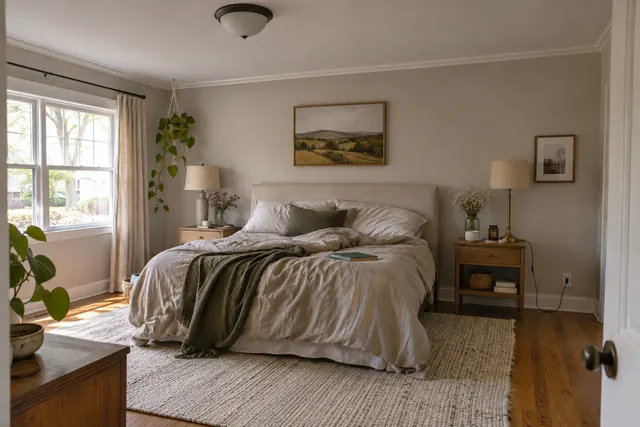 Bedroom Designer: How to Plan the Room Yourself or Hire Help
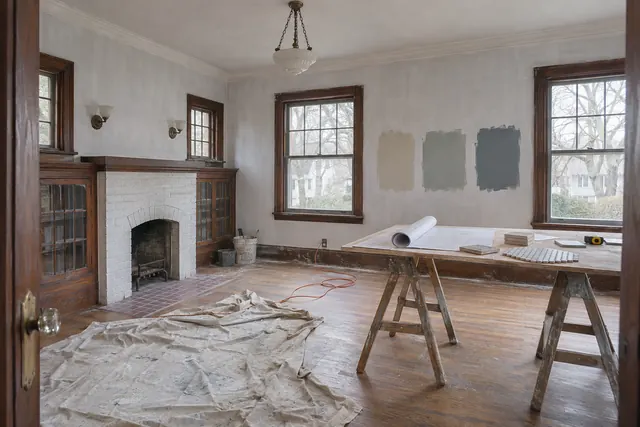 What does an interior designer do: duties, process and cost