Freelance architect: what it costs, what to check and how to hire one online
A freelance architect sells design, drafting and consulting project by project, usually for $70 to $150 an hour in the US in 2025-26 depending on the phase, with a stamp only if licensed in your state. Before hiring, check the license and insurance, pick the channel that fits the job, and put scope, revisions and ownership of the drawings in the contract.
- Topic
- Working remotely
- Updated
- Reading time
- 13 min
- Studio
- Morales Arch & Design
In this article
- What a freelance architect or architectural designer does
- When to hire a freelancer, and when architectural outsourcing pays off
- License, stamp and insurance: what to check
- How much a freelance architect costs
- Where to find and hire an architect online
- How to vet a freelance architect
- Process and contract
- Working with an architect remotely
- How to become a freelance architect
- Freelance architect FAQ
What a freelance architect or architectural designer does
A freelancer works for themselves, without a salaried post in a studio. They set the hours, choose the clients, work from home much of the time and run the business side alone. The shift to remote work after the pandemic moved a good number of architects out of full-time studio jobs and into this arrangement, so the pool is wider than it used to be.
Two kinds of people use the label. One serves end clients and can carry a job from the first concept through construction administration. The other works mainly for architecture studios and does production: drafting, BIM modeling, rendering. Ask which one you are talking to before anything else, because their fees, insurance and daily routine are different.
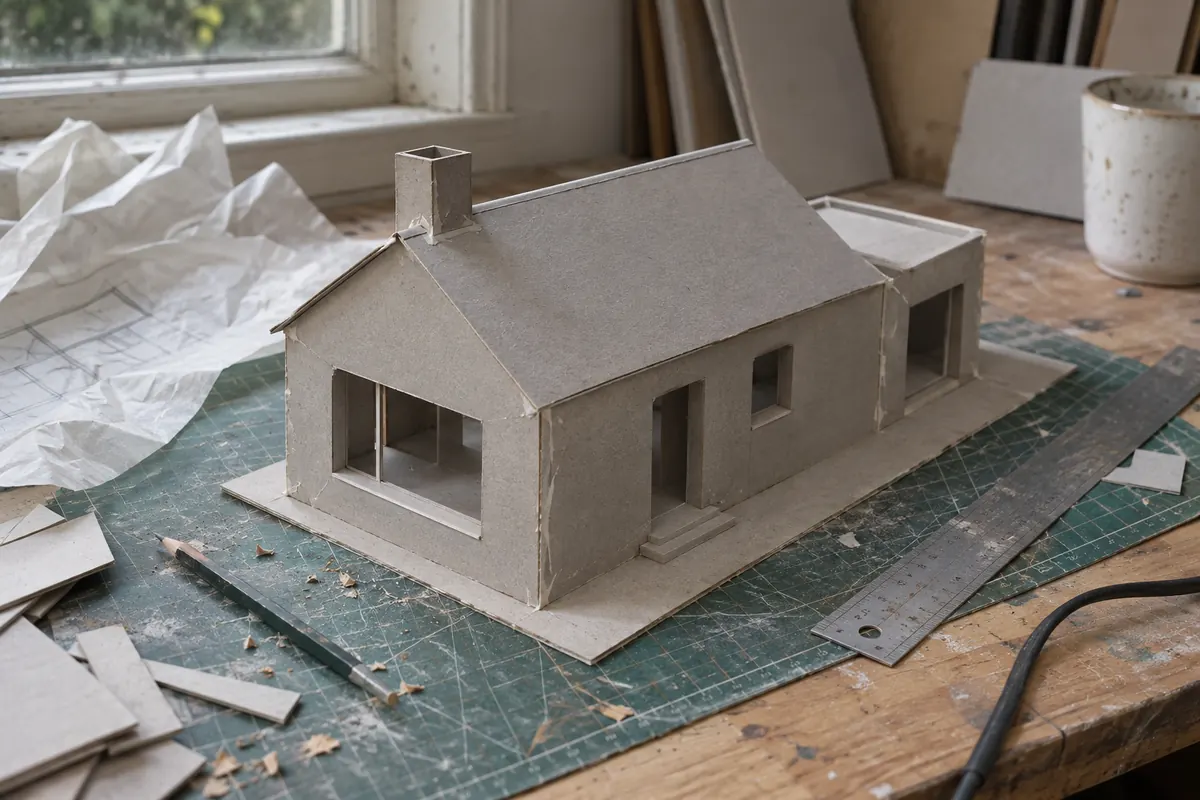
The work you can commission usually falls into these packages:
- feasibility study for a lot, a house or a commercial unit;
- concept and schematic drawings developed from your brief;
- floor plans, sections, elevations and construction details;
- 3D models and renderings;
- a permit set, plus responses to plan-check comments;
- coordination with structural and MEP engineers and with the contractor;
- schedule and budget management during the job;
- BIM production for another firm.
A freelance architectural designer may offer much of the same list without holding a license. How far that gets you depends on whether the drawings need a seal. The difference between the two titles is explained in the article on the architectural designer role.
When to hire a freelancer, and when architectural outsourcing pays off
Homeowners, small developers, general contractors, design-build companies and other architects are the usual buyers. The jobs that suit a solo practitioner best are residential additions and extensions, planning drawings, small commercial tenant improvements and visualization.
The trade-off against an established firm is capacity. A freelancer has no bench, often juggles several projects and may be carrying an uneven workload, so agree dates in writing and ask what else is on the board. In return you deal with the person who draws your project, and the scope can be cut to exactly what you need, down to a single phase.
Architectural outsourcing is the same market seen from a studio. Practices bring in freelancers for overflow work or for a skill nobody in the office has. Repeatable tasks go out first: rendering, image enhancement, drafting, model production. That leaves the lead architect free for design decisions. If visualization is all you need, compare quotes against a typical rendering price before paying an architect's hourly rate for it.
A remote freelancer is fine for drawings and models. Some clients still prefer someone local who can visit the site, and that preference makes sense when an existing building has to be read in person or when construction visits are part of the fee.
License, stamp and insurance: what to check
To practice as an architect in the US a person needs a state license. The usual path runs through NCARB requirements: an accredited degree, documented experience under the AXP and the ARE exam. Rules vary by state, so a license in one does not automatically cover a project in another. Ask for the license number, confirm it with the state board where the building stands, and check whether the architect has reciprocity through NCARB if their home state is different.
Signing and sealing rules are also set by the state, and some states require a Certificate of Authorization for the business entity on top of the personal license. If the drawings are going to a building department, find out in advance whether they must be sealed and who will do it.
An unlicensed freelancer can legally take on work that needs no stamp: 3D rendering, concept design, space planning and drafting.
| Cover (US) | What it protects against | When to expect it |
|---|---|---|
| Professional liability (E&O, professional indemnity) | Claims over design errors | Any architect taking design responsibility; at least $1 million is recommended, since even small residential jobs produce claims |
| General (public) liability | Third-party claims outside the design itself | As soon as clients or contractors are involved |
| Workers' compensation | Injury to employees | If the freelancer has staff |
Ask for current certificates before signing. A freelancer who does only renderings for a studio may reasonably carry less.
How much a freelance architect costs
In the US in 2025-26, concept design and preliminary planning run about $70 to $120 an hour, and construction documentation about $80 to $150 an hour. Those are fees charged to clients. Published pay averages are lower, because they describe what the architect earns.
| US figure | Per hour | Per year |
|---|---|---|
| Concept and preliminary design, client rate, 2025-26 | $70-120 | n/a |
| Construction documents, client rate, 2025-26 | $80-150 | n/a |
| Average pay, Salary.com, Dec 2025 | about $50 | $103,522 |
| Average pay, Glassdoor, Jan 2026 | about $59 | $122,006 (90th percentile $222,661) |
| Average pay, ZipRecruiter, Jan 2026 | $61.90 | $128,756 (top earners about $180,000) |
| Entry level | n/a | $46,500-91,000 |
| Architect listings on Upwork | about $18-30 and up | n/a |
The gap between the last line and the first two is the main thing to understand. Open marketplace listings sit far below the price of a licensed architect who takes responsibility for a permit set, and they cover a different kind of service.
Location moves the number. New York freelance architects average about $140,863 a year, and California and Washington, DC are similarly high. Experience, project complexity, market demand and the economic cycle matter too, along with specialization in areas such as sustainable design, preservation or urban work. Commercial clients, developers and government bodies pay more than a small residential commission. Part of every rate goes on software subscriptions and self-funded healthcare and retirement.
Ways to pay
- Fixed fee by phase. Clear deliverables and a known budget. Works once the scope is settled.
- Hourly with a not-to-exceed cap. Flexible while the scope is still changing, with a ceiling on your risk.
- Percentage of construction cost. Follows the size of the build, usually across the full service.
- Minimum engagement fee. Common for very small jobs.
Some freelancers offer tiered packages, which makes it easier to see what you lose by choosing the cheaper one. Percentages and full-service fees are broken down in the guide to how much an architect costs.
Where to find and hire an architect online
Choose the channel by the task. A quick render and a sealed addition are bought in different places.
| Channel | Best for | Fee or note |
|---|---|---|
| Upwork | Drafting, modeling, part-scope design | Freelancer pays 0-15% per contract since May 2025 |
| Fiverr | Quick tasks: 3D renders, floor plans, elevations | Tiered packages, 20% taken from the freelancer |
| Toptal | Senior, premium work | No fee for the freelancer |
| Houzz, Thumbtack | Homeowners with residential projects | Houzz profiles are free |
| Archinect | Studios looking for help | Free job board |
| PeoplePerHour | European clients | General freelance marketplace |
| Freelancer, Guru | Open bidding on defined tasks | General freelance marketplaces |
| Behance, Dribbble | Judging visual style before contact | Portfolio sites |
Platform fees come out of the freelancer's side, so expect them to be built into the quote.
Offline referrals still work. Local builders, realtors and interior designers know who answers the phone and whose permit sets come back clean. AIA chapters and regional meetups help if you want a licensed person nearby. Public bodies buy through municipal procurement portals.
How to vet a freelance architect
Start with the portfolio and read it as a set of short case studies. A useful entry states the client's goal, the constraints, the approach and the result, with process sketches and the tools used along the way. Final images alone tell you little about how the person works. A newer freelancer may show competition entries or visualizations in place of built projects, which is acceptable for concept work and weak evidence for a permit set.
Next, test whether the person can carry a job from concept to certificate of occupancy. Many can draw well but have thin experience in construction administration. That is workable if a partner or mentor fills the gap, so ask who that is.
- Niche. Specialists compete on expertise and generalists on price. Someone who does extensions every month will know your building department's habits.
- Results. Look for specifics: fewer change orders, cost kept in line, a permit approved in 19 days.
- References. Past clients, testimonials, Google reviews, press and AIA involvement all count.
- Tools. AutoCAD, Revit and SketchUp are the baseline. BIM skill matters more each year because engineers coordinate in the model.
- Technical range. Construction planning, 2D and 3D work, drafting, materials analysis.
- Consultants. Structural and MEP engineers should be lined up early, by name.
- Management. Clear messages, dates kept, decisions recorded.
Process and contract
A normal engagement opens with a discovery call of 15 to 30 minutes. It covers goals, budget, timeline and who makes decisions. A good freelancer will shrink the scope or decline if the budget does not match the wish list, and that is a better sign than an instant yes.
The proposal that follows should be specific: phases, the drawings or models you receive, number of meetings, submission rounds, and a timeline that also fixes your own response times. Assumptions and exclusions belong there too, for instance survey by others, hazardous materials, or the accuracy of existing record drawings.
AIA B101 is a common contract base in the US, with a short form for small jobs, and e-signature is fine. Check that these points are in it:
- scope, deliverables and timeline;
- deposit upfront, invoices tied to milestones, late-fee terms;
- number of revisions included, the fee for extra rounds and one structured way to send feedback;
- ownership of drawings: you normally get a license to use the instruments of service for this project only, with no reuse without consent;
- termination and dispute steps;
- limitation of liability and indemnity.
During design, expect a kickoff, a concept review, a design development review and a pre-permit review. Agendas go out 24 hours ahead, approvals are given in writing, and both sides follow one shared tracker. Before submittal the set should be checked against the IBC and local amendments, accessibility, energy and zoning rules, with a log kept for permit comments. If construction administration is included, the architect tracks RFIs and submittals and sends site reports with photos.
Working with an architect remotely
Remote delivery is routine now. Drawings and models are built in Revit, AutoCAD or SketchUp, shared through cloud BIM such as Autodesk BIM 360, and discussed over Zoom, Teams or Slack. Urban design, sustainable, landscape and visualization practices already run this way.
You gain access to people outside your city, and the architect gains flexible hours and no commute. The weak points are predictable. Feedback is thinner without body language, there is no physical model or material library on the table, and heavy software needs a strong machine on the other end.
Three habits offset most of it: a fixed check-in slot, review inside the cloud model or in VR instead of by emailed PDF, and written sign-off after each call. Local rules still apply to a remote designer, so settle in advance who visits the site and who seals the set. There is more on scope and handover in the article about the remote architect.
How to become a freelance architect
Pick a niche first, such as residential extensions, planning drawings or visualization for larger practices. A clear specialty makes you the person studios call when they lack a skill. Then confirm licensure where you will practice and buy professional liability before the first contract.
In the US many solo architects use an LLC, although some states require a PLLC or PC for professional services. You will also need an EIN, a city license and a DBA if you trade under a brand name. Self-employment tax filing starts at $400 of net earnings, with quarterly estimated payments to the IRS. Keep expense records from day one.
The common pricing mistake is copying a salaried hourly wage. It ignores unpaid admin, software, insurance, tax and the gaps between jobs. Price by scope with overheads included, and present the outcome rather than an hour count. Budget personal spending from average monthly earnings and set aside money for tax and retirement.
| Freelance | In-house | |
|---|---|---|
| Hours | Flexible, chosen by you | Typically 40-50 a week |
| Income | Variable, late payments happen | Salary |
| Health and retirement | Self-funded | Employer benefits |
| Other load | Admin, insurance, isolation, risk of overwork | Carried by the firm |
A retainer client or steady subcontracting for a busy practice gives a base for the first six months. Plenty of architects keep a part-time firm job alongside. Working remotely also lets you sell into higher-paying regions than your own.
Freelance architect FAQ
How much does a freelance architect charge per hour?
In the US in 2025-26, about $70 to $120 for concept and preliminary design and $80 to $150 for construction documents. Architect listings on Upwork run from about $18 to $30 and up, usually for limited tasks.
Can you be a freelance architect without a license?
You cannot practice as an architect in the US without a state license. You can sell services that need no stamp, such as rendering, concept design, space planning and drafting.
Where can I find a freelance architect?
Houzz and Thumbtack suit homeowners, Archinect suits studios, Toptal covers senior work, and Upwork or Fiverr fit smaller tasks. Builders, realtors and interior designers can refer you to local people.
How do I set my rate as a freelancer?
Start from scope and add software, insurance, tax, admin time and empty weeks. Adjust for experience, complexity, location and type of client. Fixed fees by phase, capped hourly work and a minimum engagement fee are the usual formats.
How much can a freelance architect make?
US averages from late 2025 and early 2026 run from about $103,500 to $128,800 a year. Entry level is about $46,500 to $91,000, and the 90th percentile reaches about $222,661.
Is freelance architecture a stable career?
Workload is uneven, especially early on. Retainers, subcontracting for a practice or a part-time firm job smooth the income, and written expectations from the first consultation prevent many disputes.
 Architectural designer: what they do and how they differ from an architect
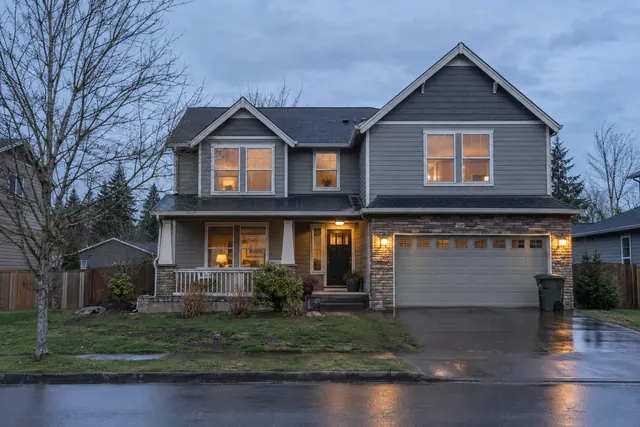 Rendering price: what 3D architectural rendering costs per image
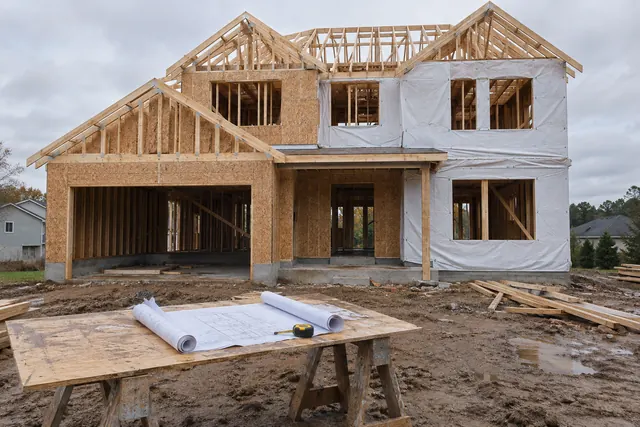 How Much Does an Architect Cost? US Architect Fees and Hourly Rates