Scandinavian interior: how the style works, room by room
A Scandinavian interior combines a warm neutral palette, pale wood, simple furniture with clean lines, plenty of daylight and layered natural textiles. The look comes from the Nordic way of living, where a room has to be practical and comfortable as well as good to look at. It stays calm and uncluttered, yet it should always feel lived in.
- Topic
- Interior styles
- Updated
- Reading time
- 10 min
- Studio
- Morales Arch & Design
In this article
- What is Scandinavian interior design?
- Scandinavian interior colors
- Wood, textiles and patterns
- Scandinavian furniture and lighting
- Scandinavian interior ideas room by room
- Scandinavian vs Japandi, minimalist and mid-century modern
- Modern Scandinavian interior trends for 2026
- Common mistakes and what to check before buying
- How to create a Scandinavian interior step by step
- Scandinavian interior FAQ
What is Scandinavian interior design?
Scandinavian interior design grew out of Nordic homes, which were traditionally small and had to get through long, dark winters. Those two conditions explain most of the style. White walls became common because one light, even color brightens a room when daylight is scarce. Decluttering and careful use of space came from having little floor area to spare.
Many of the typical pieces date from the middle of the 20th century, so a slightly retro feel is natural. The other ingredient is hygge, the sense of coziness that comes from warm light, soft textures and layered textiles.
A typical home in this style has:
- warm neutral walls that make rooms feel airy and larger
- simply shaped wooden furniture, often with more than one function
- comfortable seating
- closed storage that keeps surfaces clear
- natural textures such as linen, wool, cotton, leather and stone
- several soft lights instead of one harsh ceiling fixture
- plants or fresh flowers
It should not be confused with pure minimalism. Pillows on the sofa, a ceramic bowl, a few things on the TV stand all belong here, as long as the room as a whole stays calm. The aim is an airy, spacious interior that never turns dull and cold.
Scandinavian interior colors
The base is white, cream, beige and gray. For walls, choose warm white, cream, soft gray or greige and avoid a pure blue-white, which makes the room feel cold. Muted blue or green is the safest first accent on top of that base.
The palette is wider than its reputation suggests. Faded blue, green and yellow work, and so do pastels such as mint, light blue and rose. Stronger red, yellow, blue or green can appear as well in small amounts.
| Role in the room | Colors | Where to use them |
|---|---|---|
| Base | Warm white, cream, beige, soft gray, greige | Walls, large upholstery, bedding |
| Muted accent | Sage, clay, dusty blue, muted ochre | Planters, cushions, throws |
| Contrast | Matte black, charcoal, dark bronze | Floor lamp, picture frames |
| Bold accent | Deep blue, orange, mustard, emerald | One or two key pieces: a chair, a rug, cushions |
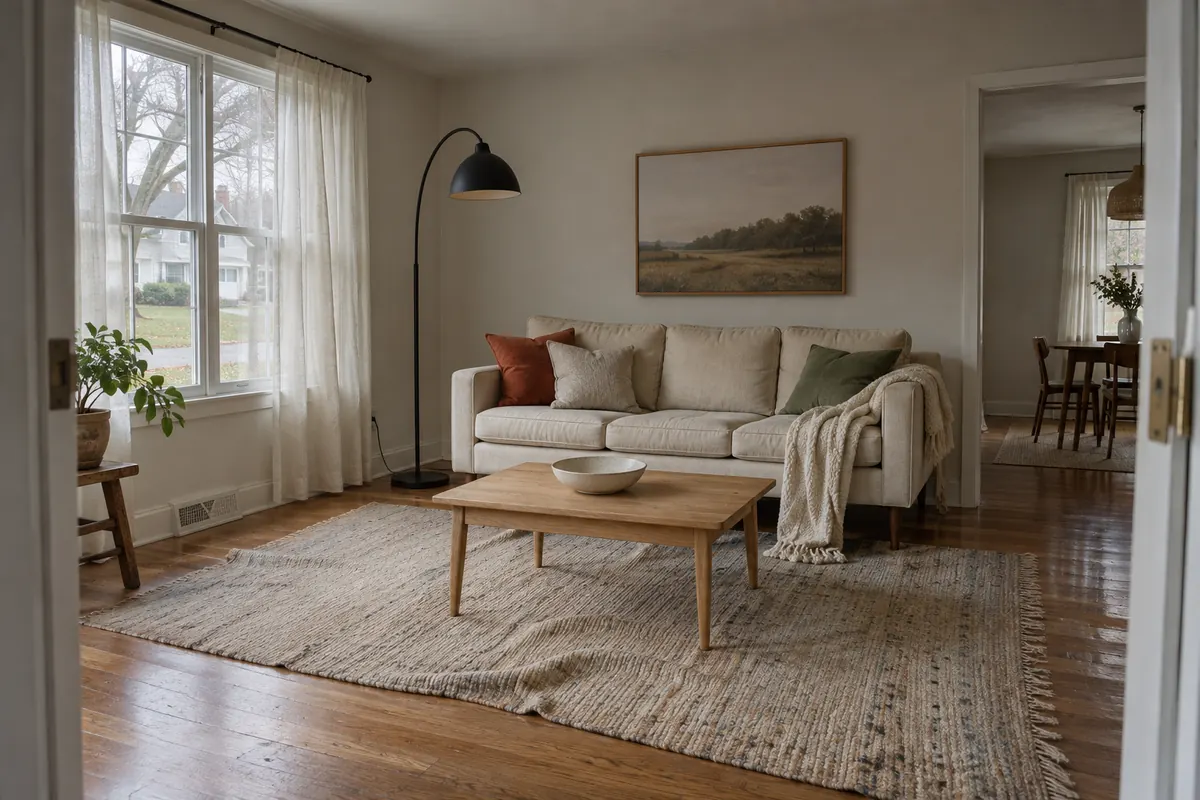
A room that is too pale looks flat. A black floor lamp, a dark frame, a brown leather accent, a muted green planter or a heavily textured rug gives the eye something to rest on.
Wood, textiles and patterns
Wood carries the style and appears on floors, ceilings and furniture. The usual species are pale: spruce, birch, pine, oak, ash and beech, with light walnut as the darker limit. MDF panels turn up in some furniture too. Keep the number of unrelated wood tones low, because mixed undertones are what make a light room look accidental.
A useful rule is to repeat one warm material at least three times. Light oak on the table, the chair legs and the picture frames is enough to tie a room together.
Metal comes second. Copper and brass add a little glimmer. Wood next to concrete or raw metal pushes the interior in a rougher, more masculine direction.
Texture does the warming. Wool, linen and cotton are the basics; knitted wool, felt, corduroy, jute, leather and fur or faux fur go on top as rugs, throws and cushions. Upholstery is often woven or visibly structured.
Patterns are geometric or drawn from nature. Chevron, zigzag, herringbone and diamond are the classic geometric ones, while leaves, forests and animals show up on rugs, cushions and bed linen.
Scandinavian furniture and lighting
Furniture is sleek, purposeful and finished in natural hues. Sofas, sideboards and beds tend to be linear. Dining tables, coffee tables and chairs are rounder, with gentle lines and fine curves. Legs that taper toward the floor are the signature detail, and mid-century inspired sofas and chairs fit without any effort.
Visual weight matters more than actual size. Raised legs, slim arms, rounded corners and low profiles look right; thick bases and oversized frames do not. Scandinavian pieces also sit easily with modern, industrial or country furniture, so an existing home rarely needs to be emptied first.
Daylight
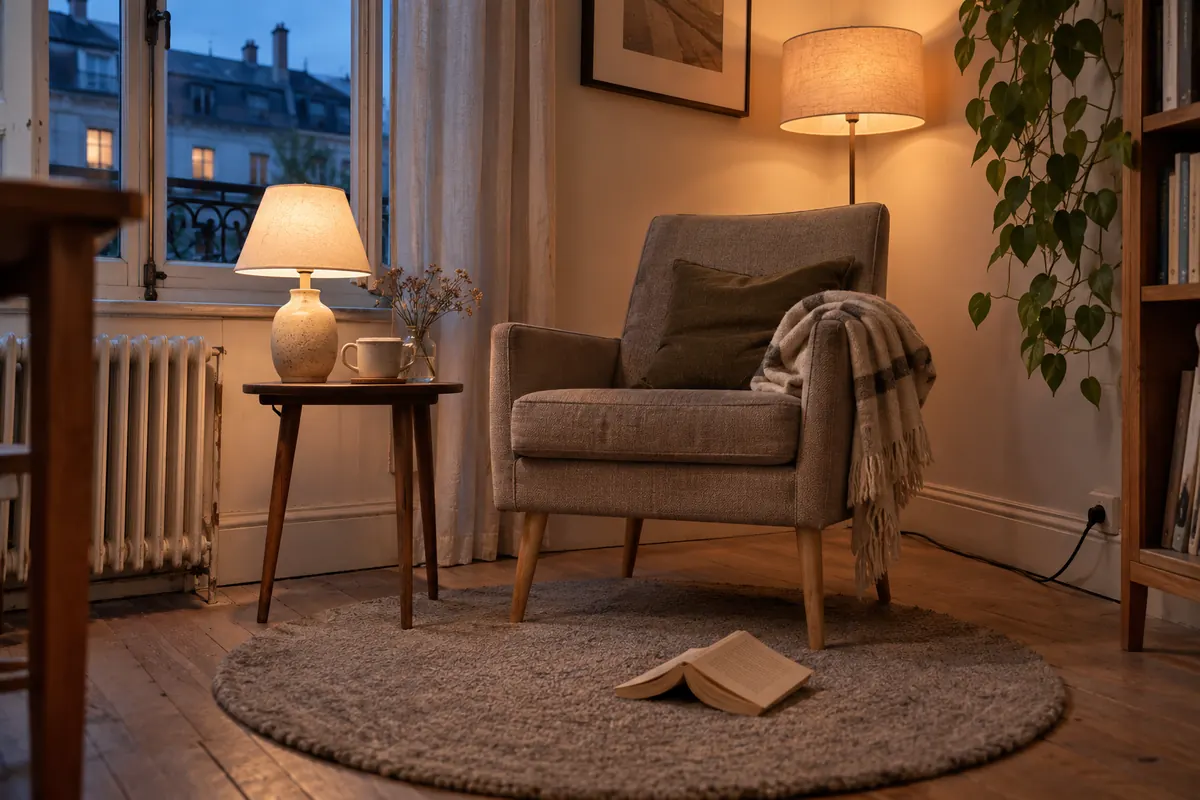
Make the most of every window. Large panes are ideal, but sheer curtains or very minimal window treatments help any room, and mirrors or other reflective surfaces spread the light further in.
Lamps
Plan several warm, soft lamps at different heights. Long pendants are popular, and three lamps have become classics of the style: PH 5, Flowerpot and Grasshopper.
Scandinavian interior ideas room by room
Living room
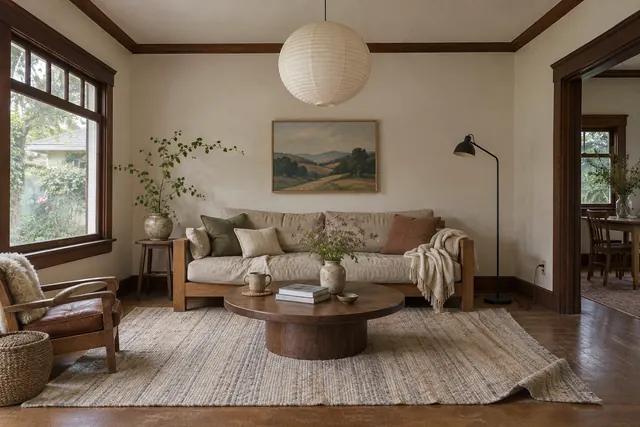
Start with a neutral sofa and a wooden coffee table, then add throws and indoor plants. A low media console with closed storage hides cables, remotes and game consoles, which do more damage to the look than any wrong color.
Dining room
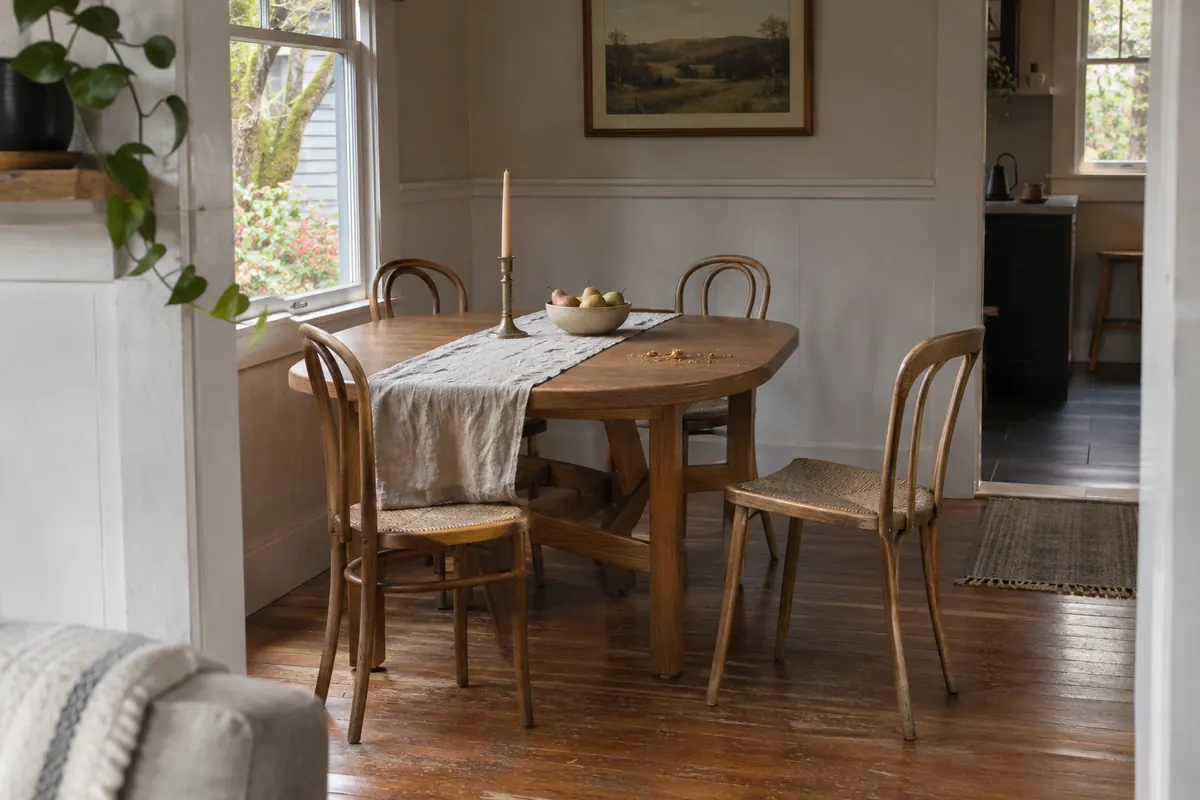
It should feel relaxed. Pick a wood or stone table with a clean base and slim chairs with curved backs or soft seats. Keep the decor low: a bowl, a linen runner, a candleholder.
Bedroom
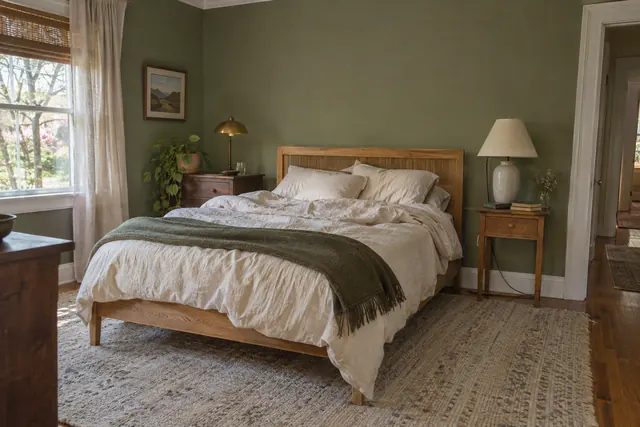
This is the softest version of the style. Use a simple frame, breathable white or beige bedding, plain bedside tables, warm lamps and one or two natural textures. Stop before it looks empty; a nightstand, a throw, a print or a small bench keeps it human. Other directions are covered in our bedroom style ideas.
Kitchen
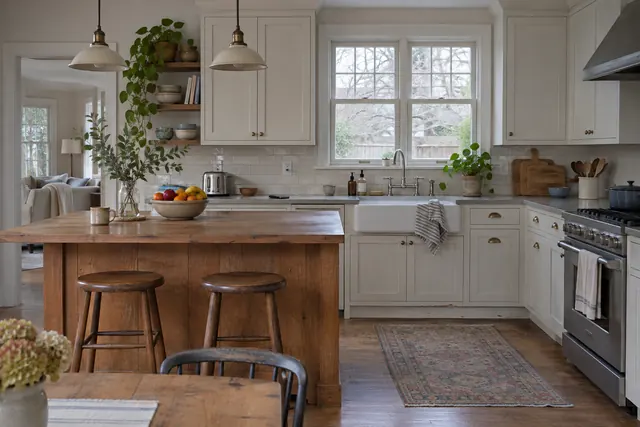
Sleek white cabinets, wooden countertops and clear work surfaces set the tone. Open shelves suit plates and glassware that are good enough to show. Layout and storage questions are handled separately in the guide to kitchen design.
Bathroom
Stone or wood accents, plush towels and soft lighting give the room a spa feel.
Small homes and open plans
In a small home, let pieces do two jobs: a coffee table with storage, a storage ottoman, a slim sideboard, a compact or extendable dining table, a sofa on raised legs. Glass, acrylic or polycarbonate furniture makes a small living room look bigger. In an open plan, connect the zones by repeating colors rather than buying matching sets. A cream sofa, a light wood table and a gray rug can link a whole floor.
Scandinavian vs Japandi, minimalist and mid-century modern
These styles share clean lines and natural materials, which is why they get mixed up. The differences are in height, warmth and how much is left on show.
| Style | How it differs from Scandinavian |
|---|---|
| Japandi | Lower, quieter, earthier and more restrained; Scandinavian is brighter, softer and more casual |
| Minimalist | Cooler and more reduced |
| Mid-century modern | Stronger retro shapes and richer wood |
| Organic modern | More sculptural and curved, with heavier texture |
Blending is common. With Japandi, the mix holds together when the palette and the furniture height are controlled; the details of that style are in the article on the Japandi interior.
Modern Scandinavian interior trends for 2026
The 2026 version is warmer, curvier and more colorful than the all-white rooms many people picture.
- Japandi fusion. Clean lines and a light palette meet low-profile furniture and stone ornaments.
- Curves. Curved sofas, armchairs and sideboards, oval coffee tables and plush upholstery in beige or pastel.
- Warm woods. Honey oak and ash as wall panels, beams or floorboards, teamed with stone.
- Textured walls. Plaster finishes, exposed brick or woven panels give interest to a neutral room.
- Retro pieces. Teak sideboards, sculptural tables, round pendants and arc floor lamps. Walls and floor stay calm, with a selective pop such as a mustard armchair on a wool rug.
- Large wall art. Abstracts, graphic prints or big photographs, balanced by natural materials and simple furniture.
- Floating fireplaces. Wall-mounted or hung from the ceiling, they suit open-plan layouts.
- Scandi-boho. Woven throws, macrame holders, frames in terracotta or mustard, dried flowers in ceramic vases.
- Neon art and bold color. Neon art can work as a single pop among natural materials, and bold color should stay on one or two key pieces. Spread across a room, either one breaks the calm.
Common mistakes and what to check before buying
Most failed Scandinavian rooms go wrong in one of two ways: they end up cold or they end up crowded. Watch for these:
- pure white on every surface
- a gray sofa against gray walls on a gray rug
- boxy, heavy furniture or simply too much of it
- dark, thick drapes that block the light
- a ceiling light and nothing else
- open shelves for things that ought to be hidden
- woods with clashing undertones
- stripping out all decor instead of editing it
Before paying for a piece, run through six questions:
- Does it look light from the side?
- Does it store things without adding clutter?
- Is the color warm?
- Does it bring texture instead of shine?
- Does it match the wood you already have?
- Is it comfortable enough for daily use?
How to create a Scandinavian interior step by step
Work from the largest surfaces down to the small objects. That order stops you from buying accessories for a room whose base is still wrong.
- Set a neutral base on walls and large upholstery.
- Add muted blue or green accents.
- Bring in functional furniture, such as a storage ottoman or an extendable table.
- Introduce natural materials and plants.
- Hang mirrors where they catch daylight.
- Layer textures with rugs, throws and cushions.
In decor, put quality ahead of quantity. Built-in cabinets and hidden compartments are what keep surfaces clear over time, so decide on storage early. If the project includes built-ins or several rooms at once, it helps to know what an interior designer does before you start.
Scandinavian interior FAQ
Can I mix Scandinavian and Japandi furniture?
Yes, if you control the palette and the furniture height. Keep light woods and warm whites as the base, then add low tables, ceramics and a few darker wood accents.
Who is Scandinavian style for?
It suits minimalists, busy professionals, families, people in small homes and anyone who wants an eco-conscious interior. It is practical, timeless and adapts to a home of any size.
Is Scandinavian the same as minimalism?
No. Minimalism is cooler and more reduced. A Scandinavian room keeps pillows, ceramics and everyday objects in view and should look lived in.
How do I make a Scandinavian room feel warm?
Swap blue-white paint for cream or greige, repeat one warm wood at least three times, layer wool and linen, and light the room with several warm lamps.
 Bedroom style ideas: 12 looks, from modern to boho
 Kitchen Design: A Practical Guide to Designing the Kitchen
 Japandi Interior: How to Put the Style Together Room by Room